Soil quality is often an overlooked aspect of successful outdoor planting, yet it plays a pivotal role in the health and vitality of plants. Whether you are engaging in residential garden planting, landscape planting, or even ornamental planting, understanding the nuances of soil can make or break your gardening efforts. Good soil does more than just provide a base for plants; it nurtures them, supports their growth, and ultimately determines the aesthetic appeal of your garden.
The Role of Soil Composition
At its core, soil is a complex mixture composed of minerals, organic matter, air, and water. Each component contributes to soil health and plant growth in distinct ways. For instance, minerals provide essential nutrients like nitrogen, phosphorus, and potassium—elements crucial for plant development. Organic matter enhances soil structure and improves moisture retention while fostering beneficial microbial activity.
The right balance among these components varies depending on what you intend to plant. A garden that focuses on flower planting may require different nutrient profiles compared to one designed for vegetable growing. Understanding the specific needs of your plants will guide you in selecting the right type of soil and amendments necessary for optimal growth.
Soil Texture Matters
Soil texture refers to the size of particles within the soil: sand, silt, and clay are the three primary types. Sandy soils drain quickly but lack nutrient retention, whereas clay soils retain moisture but may become compacted and hinder root development. Loamy soils strike a balance between these extremes and are generally considered ideal for most plants due to their good drainage coupled with nutrient-holding capacity.
When planning a garden installation or custom garden design, assessing your existing soil's texture can inform your decisions about amendments or even whether to invest in new soil entirely. Conducting a simple “jar test” at home can reveal your soil's texture by mixing it with water and observing how layers settle after shaking.
Nutrient Availability
Nutrient availability is another critical factor influenced by soil quality. Soil pH plays an essential role here; it affects how well plants can absorb nutrients from the soil. Most plants thrive in slightly acidic to neutral pH levels (around 6 to 7). If your soil is too acidic or too alkaline, you might need to amend it using lime or sulfur as necessary.
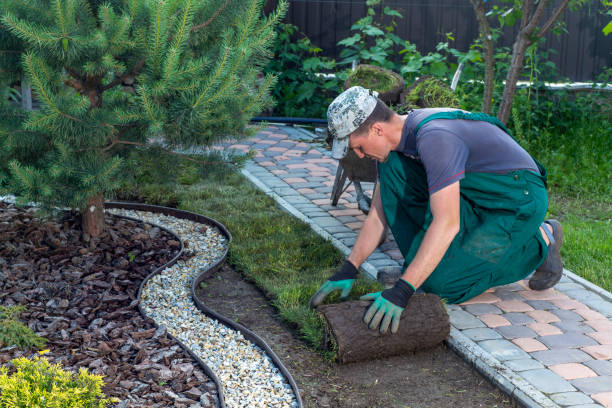
To ensure that your garden beds are nutrient-rich, consider conducting a soil test at least once a year. This test will not only measure pH levels but also determine nutrient content such as nitrogen levels and micronutrients like zinc or iron that could be deficient in certain types of soil.
Organic Amendments
Incorporating organic material into your garden enhances both nutrient availability and overall soil structure. Compost is one of the best ways to enrich your soil organically; it adds vital nutrients while improving aeration and moisture retention capabilities. Mulching with organic materials like wood chips or straw can also help maintain moisture levels while gradually breaking down to add nutrients back into the earth.
For those involved in seasonal planting or tree planting initiatives, considering organic amendments becomes increasingly important as they not only benefit current crops but also improve long-term fertility for future generations of plants.
Drainage Considerations
Poor drainage can lead to waterlogged soils Browse this site that suffocate roots while promoting fungal diseases—an issue that often plagues novice gardeners who underestimate its importance. Well-drained soils ensure that air reaches roots while excess water flows away without hindering plant growth.
If you find yourself facing drainage issues in your landscape planting efforts, consider amending heavy clay soils with sand or adding raised beds filled with high-quality topsoil to facilitate better drainage. Additionally, incorporating native plants suited for local conditions will ensure resilience against potential drainage problems since they have adapted over time to thrive in specific local environments.
Irrigation Practices
Irrigation practices also tie closely into how effectively you manage your soil's quality. Overwatering can leach essential nutrients out of the root zone while creating conditions favorable for root rot diseases; conversely, underwatering can stress plants leading them toward stunted growth or death.
Employing drip irrigation systems allows precise control over watering schedules tailored specifically for various plant types within your garden design scheme—ensuring each receives adequate hydration without compromising overall health due to excess moisture challenges inherent within traditional methods like sprinkler systems.
Microbial Life
Healthy soils host diverse communities of microorganisms ranging from bacteria to fungi—each playing unique roles critical for nutrient cycling processes essential for plant health. Fungi form symbiotic relationships with many plant species through mycorrhizae networks that enhance nutrient absorption capabilities significantly beyond what roots could achieve alone.
Promoting microbial life within gardens involves minimizing chemical fertilizers and pesticides which disrupt these delicate ecosystems while opting instead for organic treatments whenever possible—emphasizing sustainable gardening practices contributes significantly towards maintaining healthy ecosystems around our homes while enhancing long-term viability across all types of outdoor planting endeavors.
Plant Selection Based on Soil Type
Another critical aspect is making informed decisions about plant selection based on existing soil characteristics rather than simply aesthetic preferences alone—this approach leads directly toward healthier gardens overall since chosen varieties will align more closely with environmental conditions present within respective plots.
Before embarking upon any kind of flower bed installation endeavor—or even shrub planting projects—a detailed evaluation regarding compatibility between desired species versus current site conditions must take place first! Consulting local horticultural experts familiarized with area-specific flora may yield invaluable insights into appropriate selections tailored toward enhancing both beauty alongside ecological harmony throughout gardens established today!
Seasonal Considerations
Seasonal changes naturally impact both weather patterns affecting water availability along with temperature fluctuations influencing photosynthesis rates among others things! Thus understanding how these elements interact together proves vital when planning any outdoor planting kind outside plantings whether those involve annuals biennials perennials shrubs trees etc., especially if one intends perform major renovations involving extensive site preparation beforehand!
For example during early spring months temperatures begin rising again after winter dormancy encouraging rapid growth cycles among many perennial species including popular choices found throughout residential gardens nationwide! Timing installations accordingly ensures sufficient establishment periods exist prior experiencing summer heat waves further protecting investments made earlier investing time patience resources required bring dreams fruition!
Through careful consideration concerning interactions taking place between climate changes occurring annually along local environmental influences ensuring proactive measures employed ahead schedule remains paramount achieving success rewarding experiences gardening regardless scale size ambitions held dear!
Enhancing Aesthetics Through Quality Soil
Ultimately quality soil enhances not only productivity but also aesthetics across landscapes cultivated through thoughtful designs rooted solid foundations forged from superior ingredients combined harmoniously! Investing time energy resources shaping nurturing healthy productive environments pays dividends far beyond immediate results seen initially—transformations unfold season after season captivating hearts minds alike showcasing nature’s true splendor flourishing spaces created deliberately mindfully guided principles sound horticulture practice!
In summary cultivating exquisite outdoor settings involves prioritizing focus attention dedicated toward enhancing underlying substrates supporting life itself throughout journey exploring possibilities endless creativity limited only imagination! Embracing knowledge gained experience acquired fosters deeper appreciation beauty complexity intertwined lives shared between humans nature interdependent relationship flourishing symbiotically together forevermore!